Source Rotary Carousel Storage for Warehouse, Industrial, and Tools
Compare 30 rotary carousel storage units with capacities from 390kg to over 500kg and heights up to 6 meters. These steel and fiberglass systems are designed for warehouse, industrial, and tool applications with customization options available.
Key considerations
Products List


Efficient Circular Rotating Carousel for Continuous Circulation Transportation
$2000000.00 - $8000000.00
Moq: 1


Circular Carousel System for Efficient Marine Transportation Operations
$2000000.00 - $8000000.00
Moq: 1
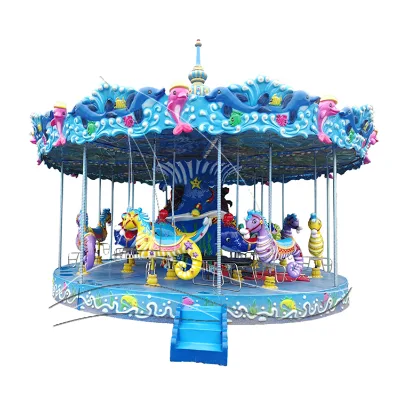
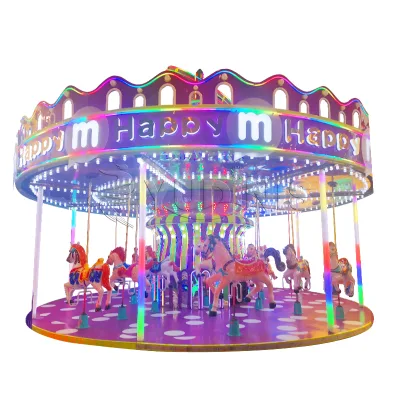


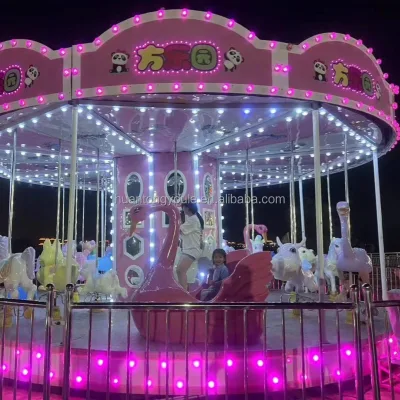

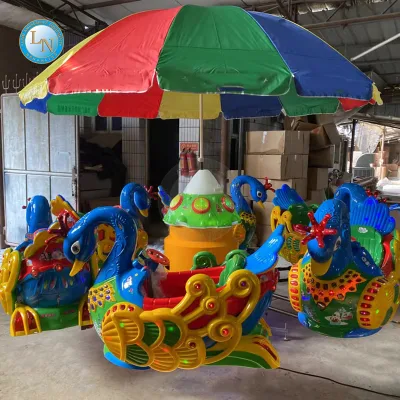
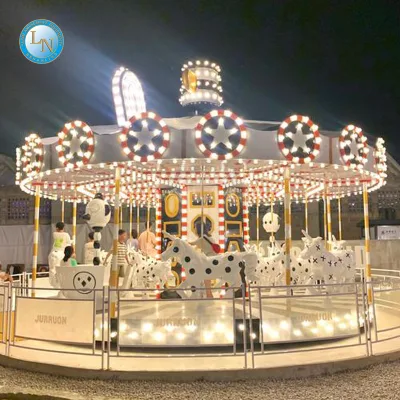
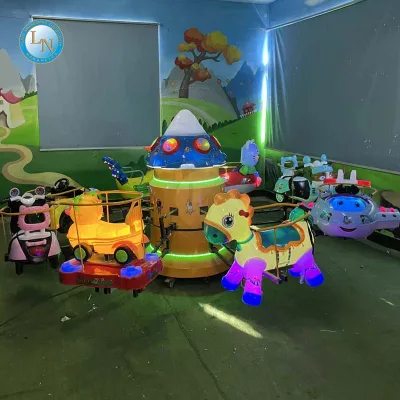
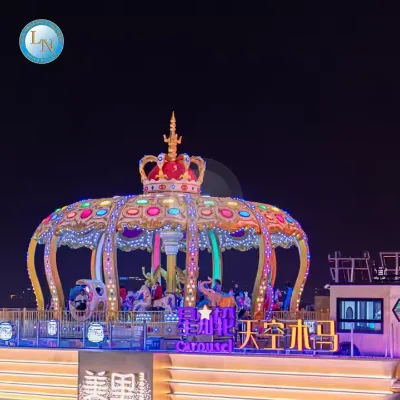


![Outdoor Amusement Park Equipment 24 Seats Carousel] Christmas Outdoor](https://file.focusaim.com/api/image/preview/016435b7aa25d294c5cb6db21fdee35c.png?bi=true&local=true)

Comprehensive Sourcing Guide
Strategic Sourcing Guide for Rotary Carousel Storage Systems
Understanding Rotary Carousel Storage Technology and Core Specifications
Rotary carousel storage systems represent a specialized category of automated vertical storage solutions designed to optimize warehouse density and retrieval efficiency. These systems, often categorized under industrial shelving and pallet racking, utilize a motorized mechanism to rotate storage bins or hoppers toward the operator, significantly reducing walking time and increasing picking speed. The fundamental architecture typically involves a rack structure where multiple hoppers are arranged in a circular or linear formation that rotates on a central axis.
When evaluating technical specifications for these units, buyers must scrutinize the physical dimensions and load capacities provided in product listings. The observed market data indicates a significant variance in system scale. For instance, specific models such as the FX1916A feature a defined hopper size of W1420D240H340mm, while other configurations like the FX2636M offer larger dimensions of W2120D410H235mm. The overall footprint of these systems can vary drastically, with standard dimensions ranging from compact units like W1950D960H3800mm to expansive industrial installations reaching W2730D1380H6000mm.
The structural integrity and capacity are critical parameters. The "Self-Respect" or load-bearing capacity of individual units varies, with observed values ranging from 390kg to 1150kg per configuration. The number of hoppers is another defining characteristic; systems may be configured with 16 hoppers for medium-duty applications or expand to 34 hoppers for high-volume storage needs. The height of these systems is equally variable, with observed ranges spanning from 0-5 meters for low-profile units up to 5-15 meters for high-bay industrial solutions. Buyers should verify that the selected height aligns with their facility's ceiling clearance and that the "Medium Duty Shelf" style matches their inventory turnover requirements.
Operational Mechanics and Electrical Requirements
The operational efficiency of a rotary carousel system is driven by its power requirements and control interfaces. These units are typically electrically driven, requiring specific voltage configurations to function correctly. Market observations indicate that compatible voltage standards include 220V, 380V, and 110V, necessitating careful verification against the local power grid infrastructure of the installation site. The power consumption for these systems can range from 4 KW to 8 KW depending on the motor size and the number of active hoppers.
Control mechanisms are a vital component of the user experience. The operation form is frequently managed via a crane console, allowing for precise control over the rotation speed and direction. A key feature in modern systems is the ability to adjust the speed, which allows operators to customize the retrieval pace based on the urgency of the task or the weight of the items being handled. This adjustability is particularly useful in environments where delicate items require slower handling speeds versus heavy-duty components that benefit from rapid rotation.
The mobility of these systems is defined as "Rotary," indicating a continuous or indexed rotation capability. The structure is generally "Closed," which provides a degree of security and protection for the stored items against dust and environmental contaminants. This closed structure is particularly beneficial in industrial settings where product cleanliness is paramount. Furthermore, the systems are designed for "Common Use," implying a balance between durability and ease of operation suitable for general warehouse and industrial tool storage.
Compliance, Certification, and Safety Standards
Navigating the compliance landscape is essential for any B2B procurement involving industrial machinery. Buyers must verify that the supplier provides valid certifications that align with international and regional safety standards. Observed data points to the presence of ISO certifications, specifically ISO9001, which indicates adherence to quality management systems. Additionally, CE certification is frequently cited, suggesting compliance with European health, safety, and environmental protection standards.
Safety is paramount when dealing with heavy rotating machinery. The "After-Sales Service" availability is a critical indicator of a supplier's commitment to long-term safety and maintenance. A warranty period of 1 Year is a common baseline observed in the market, but buyers should negotiate terms that cover critical mechanical components. The "New Type" development status of some units suggests that they may incorporate the latest safety features, but this also requires rigorous validation of the specific model's safety protocols before deployment.
When evaluating the "Place of Origin," buyers should consider the regulatory environment of the manufacturing region. For example, products originating from Hefei, Anhui, or Zhejiang, China, may have different compliance histories compared to those from Henan. It is the buyer's responsibility to request specific test reports and safety certifications for the exact model number, such as the DNS06 or Carousel variants, to ensure they meet the local regulations of the destination country. Relying solely on general certification claims without verifying the specific model's documentation can lead to compliance gaps.
Cost Drivers and Procurement Economics
The cost of rotary carousel storage systems is influenced by a complex array of factors, including material composition, system size, and customization options. The primary material observed is Steel, which provides the necessary structural rigidity, though some advanced models may incorporate Fiberglass for specific applications requiring corrosion resistance or weight reduction. The "Customization" availability is a significant cost driver; systems that require tailored dimensions, specific hopper counts, or unique color finishes will command a higher price point.
The observed price range in the market is extremely broad, spanning from $3.5 to $8,000,000. This variance reflects the difference between small, single-item units and massive, fully automated industrial complexes. For a typical medium-duty shelf system, the cost will be heavily dependent on the "Number of Hoppers" and the "Height" of the unit. A system with 34 hoppers and a height of 6 meters will inherently cost more than a 16-hopper, 3.8-meter unit.
Shipping and logistics are also critical cost components. The "prod_packing" attribute varies, with some units listed as "Packing" ready for standard freight, while others require the buyer to "Contact The Supplier About Freight." This distinction is vital for budgeting, as large carousel systems often require specialized transport arrangements. The "Selling Units" are typically listed as "Single item," meaning the buyer must account for the full system cost rather than per-bin pricing. Additionally, the "MOQ" (Minimum Order Quantity) ranges from 1 to 500, offering flexibility for small businesses while accommodating large-scale industrial rollouts.
Typical Applications and Industry Use Cases
Rotary carousel storage systems are versatile and find application across a diverse range of industries. The primary usage categories identified include "Warehouse Rack," "Industrial," and "Tools" storage. In a warehouse environment, these systems are ideal for storing small to medium-sized parts, reducing the floor space required for inventory management. The "Medium Duty Shelf" style is particularly suited for environments where the inventory weight is moderate, such as automotive parts, electronics components, or pharmaceutical supplies.
Beyond traditional warehousing, these systems are increasingly utilized in commercial and public spaces. The "Occasion" attribute lists "resort hotel, School, commercial, shopping mall, residential" as potential use cases. In a commercial setting, such as a shopping mall or hotel, these units can be used for back-of-house storage, maintaining a tidy appearance while ensuring quick access to supplies. In educational institutions, they can manage laboratory equipment or art supplies efficiently.
The "Allowable Passenger" capacity, observed as 8, 12, 16, 24, 36 persons, suggests that some carousel systems are designed for human occupancy, likely in the form of large, rotating platforms for entertainment or specific industrial access. However, for standard storage applications, the focus remains on the "Suit for: Both kids and adults" aspect, indicating that the interface and safety features are designed to be user-friendly for a wide demographic. The "Height limit" of above 4.2 meters is a crucial consideration for facilities with high ceilings, allowing for vertical expansion without compromising floor space.
Supplier Evaluation and Quality Assurance Protocols
Selecting the right supplier requires a rigorous evaluation process that goes beyond the initial product listing. Buyers should prioritize suppliers who offer "After-Sales Service" and have a clear warranty structure. The presence of a "1 Year" warranty is a baseline expectation, but the scope of this warranty—whether it covers labor, parts, or both—must be clearly defined in the contract. Suppliers located in regions like Hefei, Anhui, or Zhejiang, China, should be vetted for their manufacturing capabilities and export experience.
Quality control should be a continuous process throughout the procurement lifecycle. Buyers must verify the "Material" composition, ensuring that the steel used meets the required tensile strength and corrosion resistance standards. For systems claiming "New Type" status, requesting detailed engineering drawings and stress test results is essential. The "Certification" status, such as ISO9001 and CE, should be validated against the specific batch of goods being purchased, as certifications can sometimes be generic to the company rather than the specific product model.
When evaluating the "Place of Origin," buyers should consider the logistical implications. Products from Henan, China, or other manufacturing hubs may have different lead times and shipping costs. The "prod_packing" method should be reviewed to ensure that the system will arrive without damage. For large units, the "Contact The Supplier About Freight" instruction indicates that specialized logistics are required, and the buyer should engage the supplier early to plan the delivery route and handling equipment.
Long-Term Procurement and Maintenance Considerations
Long-term success with rotary carousel storage systems depends on a proactive approach to maintenance and scalability. The "Serviceability" attribute, noted as "Common Use," suggests that these systems are designed for frequent operation, but this requires regular maintenance schedules to prevent wear and tear on the rotating mechanisms. Buyers should inquire about the availability of spare parts, particularly for the motor and control console, which are critical components.
The "Customization" feature offers a pathway for future scalability. As inventory needs grow, the ability to add more hoppers or extend the height of the system can be a cost-effective solution compared to purchasing entirely new units. However, this requires that the initial system design supports modular expansion. The "Voltage" and "Power" requirements should be reviewed to ensure compatibility with future facility upgrades or changes in power supply standards.
Finally, the "Warranty" and "After-Sales Service" provisions should be viewed as long-term partnerships. A supplier that offers robust support will be more likely to assist with troubleshooting, software updates, and component replacements over the lifespan of the equipment. Buyers should document all interactions and service requests to build a history of support that can be leveraged in future negotiations. By focusing on these long-term factors, organizations can ensure that their investment in rotary carousel storage systems delivers sustained value and operational efficiency.
FAQs
What are the standard dimensions for rotary carousel storage units?
Standard dimensions vary significantly, ranging from compact units like W1950*D960*H3800mm to large industrial installations reaching W2730*D1380*H6000mm. Buyers must verify specific model sizes against their facility's ceiling clearance and floor space requirements before procurement.
How much weight can individual hoppers support in these systems?
Load-bearing capacity varies by configuration, with observed self-respect values ranging from 390kg to 1150kg per unit. The maximum capacity for the entire system can exceed 500kg, requiring careful selection based on the specific inventory weight being stored.
Which certifications are typically required for rotary carousel storage?
Common certifications include ISO9001 for quality management and CE for safety compliance. Buyers should verify that these certificates apply to the specific model batch rather than assuming they cover the entire product line or generic company standards.
Can these systems be customized for specific warehouse needs?
Yes, customization is available for tailored dimensions, hopper counts, and finishes. Options include varying the number of hoppers from 16 to 34 or adjusting the height to fit specific vertical space constraints within a facility.
What voltage requirements do rotary carousel storage systems have?
These systems typically operate on 220V, 380V, or 110V electrical standards. The power consumption ranges from 4 KW to 8 KW, so buyers must ensure their local power grid infrastructure matches these specific voltage and power requirements.
What is the typical warranty period for this equipment?
A standard warranty period of 1 Year is commonly observed in the market. Buyers should clarify whether this warranty covers labor, parts, or both, and negotiate terms that specifically address critical mechanical components like motors and consoles.